
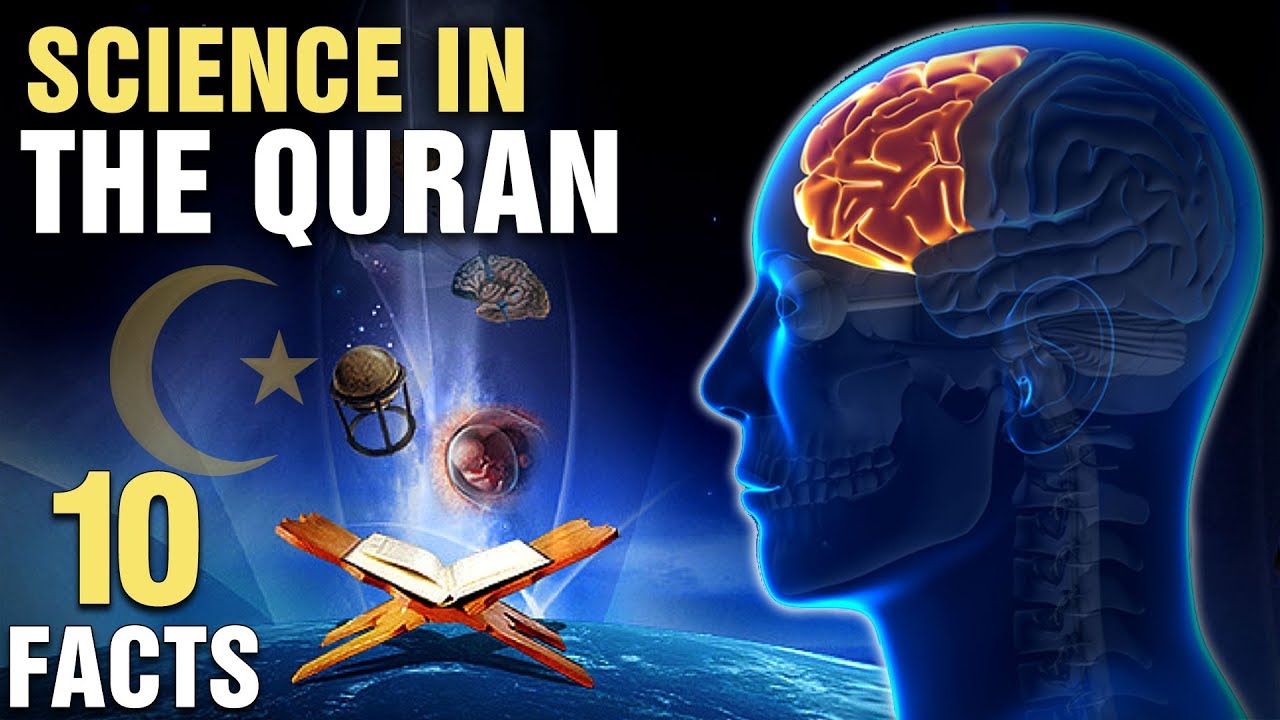
In an era where science and spirituality are often viewed as conflicting domains, the Quran stands as a remarkable testament to the harmony between faith and reason. For centuries, Muslims have revered the Quran as the ultimate source of divine guidance, while scientists have sought to unravel the mysteries of the universe through empirical observation and experimentation. However, far from being at odds with one another, the Quran and science complement each other, offering insights into the natural world and the deeper truths of existence.
A Source of Inspiration:
The Quran, revealed over 1400 years ago to the Prophet Muhammad (peace be upon him), contains numerous verses that invite reflection on the natural world. From the celestial bodies adorning the heavens to the intricate ecosystems teeming with life on earth, the Quranic verses paint a vivid portrait of creation, inspiring believers to marvel at the wonders of Allah’s handiwork.
A Call to Observation:
Central to the Quranic message is the encouragement to observe, contemplate, and ponder the signs of Allah’s creation. Time and again, the Quran invites humanity to reflect on the natural phenomena surrounding them, urging them to use their intellect and faculties of reasoning to gain a deeper understanding of the world. This emphasis on observation and inquiry laid the groundwork for the scientific method, paving the way for groundbreaking discoveries in various fields of study.
Harmony with Scientific Discoveries:
Remarkably, many scientific discoveries made in modern times align closely with the descriptions and principles outlined in the Quran. From the formation of the universe to the development of embryonic life, the Quran contains insights that resonate with scientific findings, demonstrating a remarkable convergence between revelation and empirical knowledge.
For example, the Quran describes the universe as expanding, a concept that aligns with the Big Bang theory proposed by modern cosmology. Similarly, the Quran provides detailed descriptions of embryonic development in the womb, anticipating modern embryology by centuries.
A Catalyst for Scientific Inquiry:
Far from stifling scientific progress, the Quran serves as a catalyst for inquiry and exploration. Throughout Islamic history, Muslim scholars and scientists have drawn inspiration from the Quranic verses, embarking on quests for knowledge that have led to groundbreaking discoveries in various fields, including astronomy, medicine, mathematics, and optics.
Seeking Truth:
Ultimately, the Quran and science share a common goal: the pursuit of truth. While science seeks to understand the mechanisms and laws governing the natural world, the Quran offers insights into the deeper truths of existence, including the purpose of life, the nature of reality, and humanity’s relationship with the Creator.
In conclusion, the Quran and science are not adversaries; they are complementary paths to enlightenment and understanding. By embracing both faith and reason, Muslims can gain a deeper appreciation for the beauty and complexity of Allah’s creation, while scientists can find inspiration in the timeless wisdom of the Quran. Together, let us embark on a journey of discovery and exploration, guided by the harmonious relationship between faith and science.

In the heart of every believer lies a desire for spiritual enlightenment and a deeper connection with the Divine. For Muslims, the Quran stands as the ultimate source of guidance, wisdom, and solace. It is not merely a book; it is a divine revelation, a timeless beacon illuminating the path towards righteousness and fulfillment.
Quranic education forms the cornerstone of Islamic learning, providing a comprehensive framework for understanding the principles, values, and teachings of Islam. From the earliest stages of childhood to adulthood, the study of the Quran holds profound significance, shaping the character, beliefs, and actions of individuals in profound ways.
The Divine Revelation:
The Quran, revealed over 1400 years ago to the Prophet Muhammad (peace be upon him), remains as relevant and potent today as it was then. Its verses encompass a wide array of subjects, ranging from theology and jurisprudence to morality and spirituality. Each word is imbued with divine wisdom, offering timeless guidance for navigating the complexities of life.
Enlightenment Through Understanding:
Quranic education goes beyond mere recitation; it emphasizes comprehension, reflection, and application. By delving into the meanings and nuances of the Quranic verses, students gain a deeper understanding of their faith and develop a profound connection with their Creator. This understanding serves as a source of spiritual nourishment, empowering individuals to lead lives rooted in piety, integrity, and compassion.
Guiding Light in a Chaotic World:
In today’s fast-paced and often turbulent world, the Quran serves as a beacon of hope and guidance. Its teachings offer clarity amidst confusion, comfort amidst adversity, and direction amidst uncertainty. Through Quranic education, individuals learn to navigate life’s challenges with patience, resilience, and unwavering faith, knowing that Allah’s wisdom and mercy are ever-present.
Fostering a Culture of Learning:
Quranic education is not confined to formal institutions; it is a lifelong journey of discovery and growth. Parents, educators, and community leaders play a vital role in nurturing a culture of Quranic learning, instilling in the younger generation a love for the Quran and a commitment to its teachings. Through family gatherings, study circles, and educational programs, the beauty and significance of Quranic education are passed down from one generation to the next.
A Catalyst for Positive Change:
At its core, Quranic education is transformative. It equips individuals with the knowledge, values, and moral compass needed to effect positive change in society. Armed with the timeless principles of justice, equality, and compassion found in the Quran, students emerge as agents of peace, harmony, and social justice, striving to uphold the noble ideals of Islam in their interactions with others and in their contributions to the world.
In conclusion, Quranic education is not merely an academic pursuit; it is a spiritual journey, a quest for enlightenment, and a pathway to divine guidance. It is a testament to the profound wisdom and mercy of Allah, who has blessed humanity with a timeless scripture that continues to inspire, uplift, and transform hearts and minds across the globe. May we all strive to embrace the teachings of the Quran and embody its noble virtues in our lives, enriching our souls and spreading goodness in the world.